
Inside the Broken System Destroying Elderly Lives
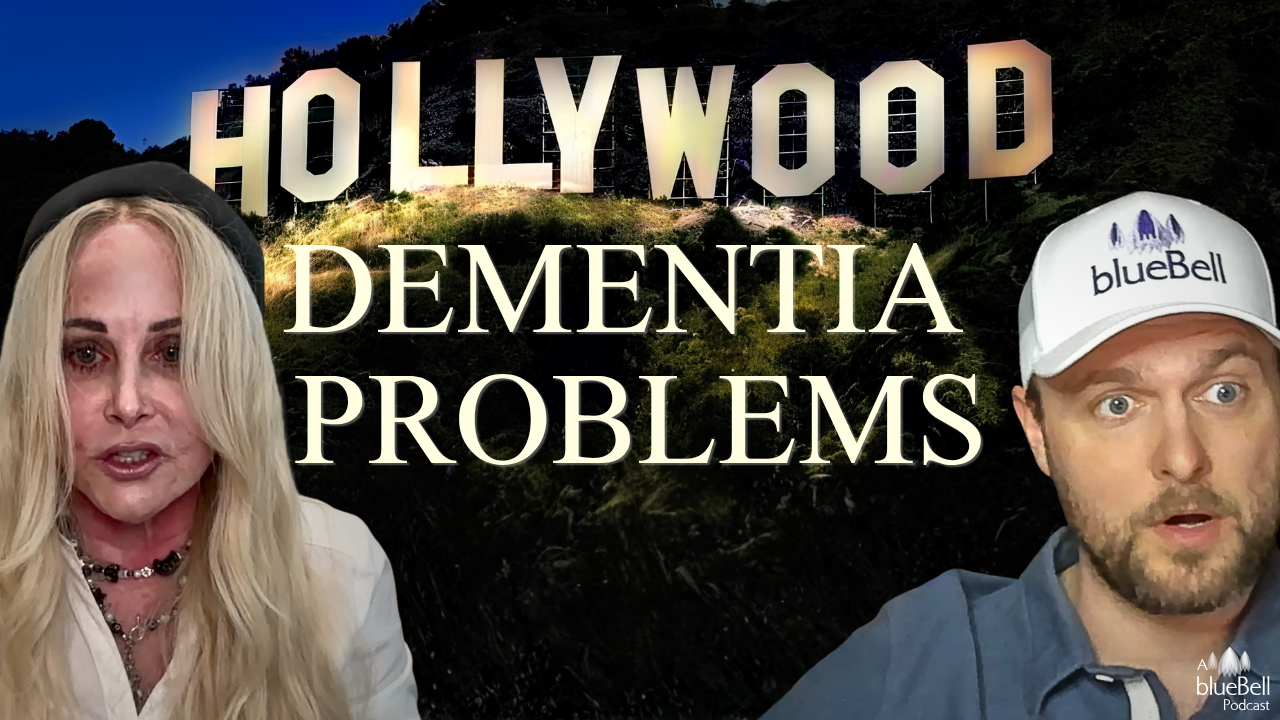
The Dementia Collective #38 is Live!
This episode can be found HERE
What if Hollywood’s dementia problem is not just what it shows, but what it leaves out?
In this episode, Andrew Karesa sits down with filmmaker, writer, director, producer, and caregiver advocate Susie Singer Carter to explore dementia, storytelling, long-term care, and the responsibility that comes with representing people who are too often misunderstood.
Susie shares the story of caring for her mother, Norma, how her experience shaped the Oscar-qualified short film My Mom and the Girl. The film was inspired by one extraordinary night in her mother’s life, a night filled with confusion, music, humour, tenderness, and unexpected connection.
The conversation also moves into Susie’s documentary series No Country for Old People, which was born from her mother’s final months in long-term care. After her mother suffered neglect in a highly rated facility, Susie began uncovering a much larger crisis around staffing, accountability, ageism, and the way vulnerable residents can disappear inside broken systems.
Andrew and Susie also examine dementia representation in Hollywood. They discuss why some portrayals feel authentic, why others can mislead, and how aging is too often turned into a caricature. Susie challenges the entertainment industry to tell better stories, not just more dramatic ones.
This is a conversation about caregiving, advocacy, stigma, film, and the fight to keep people with dementia visible, valued, and human.
In this episode:
• How Susie’s caregiving journey shaped My Mom and the Girl
• Why ethical storytelling matters in dementia representation
• The line between honesty and exploitation
• What Hollywood gets wrong about aging and dementia
• Why some dementia stories can reinforce stigma
• The long-term care crisis behind No Country for Old People
• How neglect, understaffing, and ageism shape care
• Why caregivers need better information before crisis moments
• How storytelling can expose harm, preserve dignity, and push for reform
Whether you are a caregiver, advocate, filmmaker, healthcare worker, or someone trying to understand dementia beyond stereotypes, this conversation asks us to look more carefully at the stories we tell, the people we overlook, and the systems we allow to continue.

Join 'The Village' on Patreon
If you believe in what we are building, I’m inviting you to stand with us. For only $5 per month (less than a Starbucks coffee), you can help us grow this movement, reach more families, and continue breaking the stigma around dementia care.
Your support truly makes a difference.
Village Members receive:
• Early access to new episodes
• The ability to submit questions for upcoming guests
• Occasional behind the scenes updates or voice memos from the host
• Optional name listing on our website’s “Thank You Wall”
This work cannot be done alone. Every conversation, every story, and every episode helps shift how the world understands dementia. Your five dollars directly strengthens that impact.
Join The Village HERE and help us bring more voices, more stories, and more hope to caregivers everywhere.
Don’t Forget to Sign Up for blueBell Connect
We are excited to announce that our patent-pending tool, blueBell Connect is now available for caregivers to sign up.
blueBell Connect provides caregivers clinically valid, personally specific and culturally appropriate support recommendations in your daily care for individuals living with dementia.
Click HERE for a blueBell Connect brochure
For more information, check out bluebellconnect.ca or email [email protected]
Click HERE to sign up