
Dementia Before 30: When FTD Changes Everything
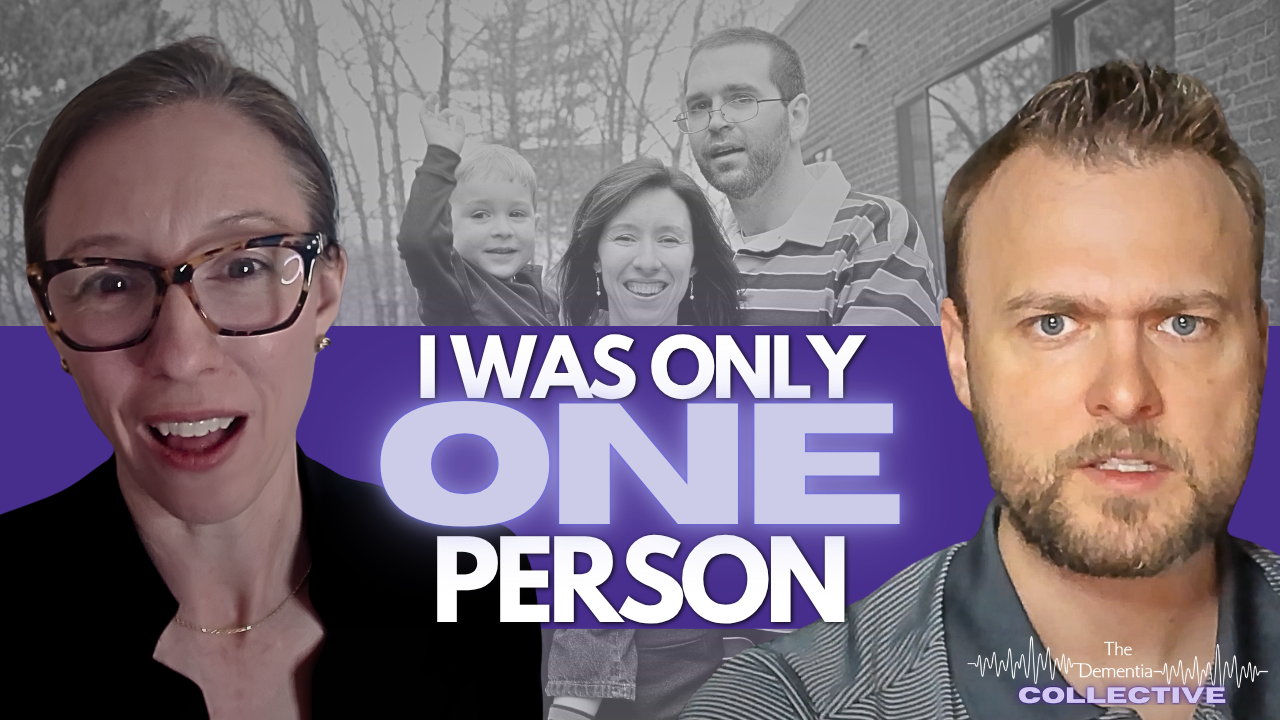
The Dementia Collective #39 is Live!
This episode can be found HERE
What happens when dementia enters your family before you even know how to name it?
In this episode, Andrew Karesa sits down with Katie Brandt, global advocate, national dementia care expert, and Director of Caregiver Support Services at the Massachusetts General Hospital Frontotemporal Disorders Unit, to talk about young caregiving, frontotemporal dementia, Alzheimer’s disease, grief, advocacy, and what it means to keep showing up when life changes all at once.
Katie shares the story of her husband, Mike, who was diagnosed with behavioral variant frontotemporal dementia at only 29 years old. At the time, their son Noah was not yet one. Just weeks later, Katie’s father was diagnosed with young-onset Alzheimer’s disease. Suddenly, Katie found herself caring for two adult men living with progressive neurodegenerative diseases while also raising her young child.
Together, Andrew and Katie discuss the early signs of FTD, why the symptoms are so often misunderstood, and how families can mistake changes in behaviour, personality, judgment, and impulse control for something other than dementia.
This is a conversation about FTD, young-onset dementia, caregiving, grief, love, advocacy, and the systems that too often leave families to figure everything out on their own.
In this episode:
• Katie’s journey as a young caregiver, wife, mother, and daughter
• How Mike was diagnosed with behavioral variant FTD at 29
• Why FTD is often mistaken for depression, a midlife crisis, or relationship problems
• How Katie’s father’s young-onset Alzheimer’s diagnosis changed her caregiving role
• The guilt and grief of moving a loved one into care
• How diagnosis gave Katie back her love story with Mike
• How young caregivers are often misunderstood
• The role of advocacy, policy, research, and community in changing dementia care
• Why support should not disappear after the person living with dementia dies
Whether you are caring for someone with FTD, Alzheimer’s disease, young-onset dementia, or another diagnosis, this conversation is a reminder that dementia does not only affect the person living with it. It changes families, relationships, futures, and identities. But it also shows why community, support, and honest conversations matter so deeply.

Join 'The Village' on Patreon
If you believe in what we are building, I’m inviting you to stand with us. For only $5 per month (less than a Starbucks coffee), you can help us grow this movement, reach more families, and continue breaking the stigma around dementia care.
Your support truly makes a difference.
Village Members receive:
• Early access to new episodes
• The ability to submit questions for upcoming guests
• Occasional behind the scenes updates or voice memos from the host
• Optional name listing on our website’s “Thank You Wall”
This work cannot be done alone. Every conversation, every story, and every episode helps shift how the world understands dementia. Your five dollars directly strengthens that impact.
Join The Village HERE and help us bring more voices, more stories, and more hope to caregivers everywhere.
Don’t Forget to Sign Up for blueBell Connect
We are excited to announce that our patent-pending tool, blueBell Connect is now available for caregivers to sign up.
blueBell Connect provides caregivers clinically valid, personally specific and culturally appropriate support recommendations in your daily care for individuals living with dementia.
Click HERE for a blueBell Connect brochure
For more information, check out bluebellconnect.ca or email [email protected]
Click HERE to sign up